Li Lu Declares Chinese Stocks a Rare Value Play Amid U.S.-China Tensions
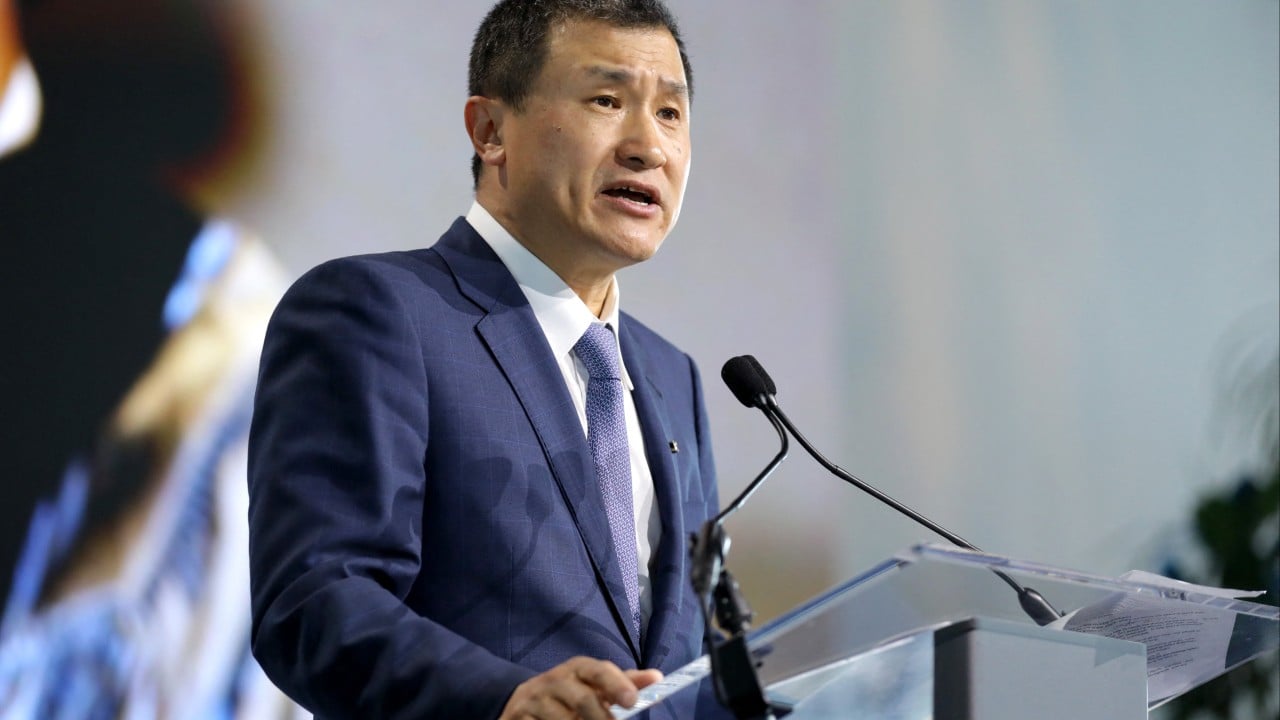
Li Lu, the Chinese‑American founder of **Himalaya Capital** and a longtime disciple of **Charlie Munger**, told a small gathering of investors on Thursday that “Chinese equities are trading at a discount that we haven't seen in a decade.” His rare public commentary arrives as **U.S.-China tensions** simmer and the global artificial intelligence race accelerates, positioning China’s stock market as a potentially undervalued frontier for value‑oriented capital.
The macro backdrop is defined by a confluence of geopolitics, diplomacy, and technology. Washington’s strategic competition with Beijing has manifested in tariffs, export controls on semiconductor equipment, and heightened scrutiny of Chinese tech firms listed abroad. Simultaneously, the **United Nations** has convened multiple sessions on the humanitarian impact of trade restrictions, while **NATO** allies debate the security implications of AI‑enabled warfare. These diplomatic currents shape investor sentiment, but they also underscore the systemic resilience of China’s domestic market, which has been insulated by capital controls and a robust policy toolkit.
Quantitatively, the case for undervaluation is stark. The **Shanghai Composite** trades at a trailing twelve‑month price‑to‑earnings (P/E) ratio of 9.8, compared with the S&P 500’s 22.4, reflecting a **15% discount** relative to global peers after adjusting for growth differentials. **Foreign direct investment** inflows into Chinese equities surged 23% year‑to‑date, reaching **$1.2 trillion** in net purchases, while the **China Securities Regulatory Commission (CSRC)** has signaled a more open stance toward foreign participation. Moreover, the AI sector alone accounts for **$45 billion** in market cap, a figure poised to double as Beijing rolls out subsidies for domestic chip production.
Market repercussions are already materializing. Domestic conglomerates in renewable energy, consumer staples, and high‑tech hardware stand to benefit from capital reallocation, while U.S.‑listed Chinese ADRs face heightened volatility amid ongoing **SEC** investigations. “The valuation gap presents a classic value opportunity, but geopolitical risk remains the wildcard,” noted senior analyst Maya Patel of GlobalEquity Research. Companies with strong **bilateral relations**—such as joint ventures in electric vehicles—are likely to attract the bulk of inflows, whereas firms heavily dependent on U.S. technology imports could encounter regulatory headwinds. The CSRC’s recent clarification on cross‑border data flows further mitigates some compliance uncertainty, yet the specter of a broader diplomatic standoff persists.
Looking ahead, investors must track three critical catalysts. First, the outcome of the upcoming **U.S.-China trade talks**, where any concession on AI export controls could unlock additional upside for Chinese tech firms. Second, Beijing’s policy trajectory for the AI sector, including potential tax incentives and R&D grants, will shape earnings growth trajectories. Third, the **United Nations** may convene a special session on the humanitarian dimensions of technology‑driven trade restrictions, influencing global diplomatic posture and, by extension, market confidence. In this intricate web of economics and geopolitics, the undervalued allure of Chinese stocks hinges on the delicate balance between strategic risk and the promise of a re‑emerging growth engine.
© Kavam News 2026. All rights reserved.