Fiji Justice Minister Resigns After Viral Video Sparks Governance Crisis
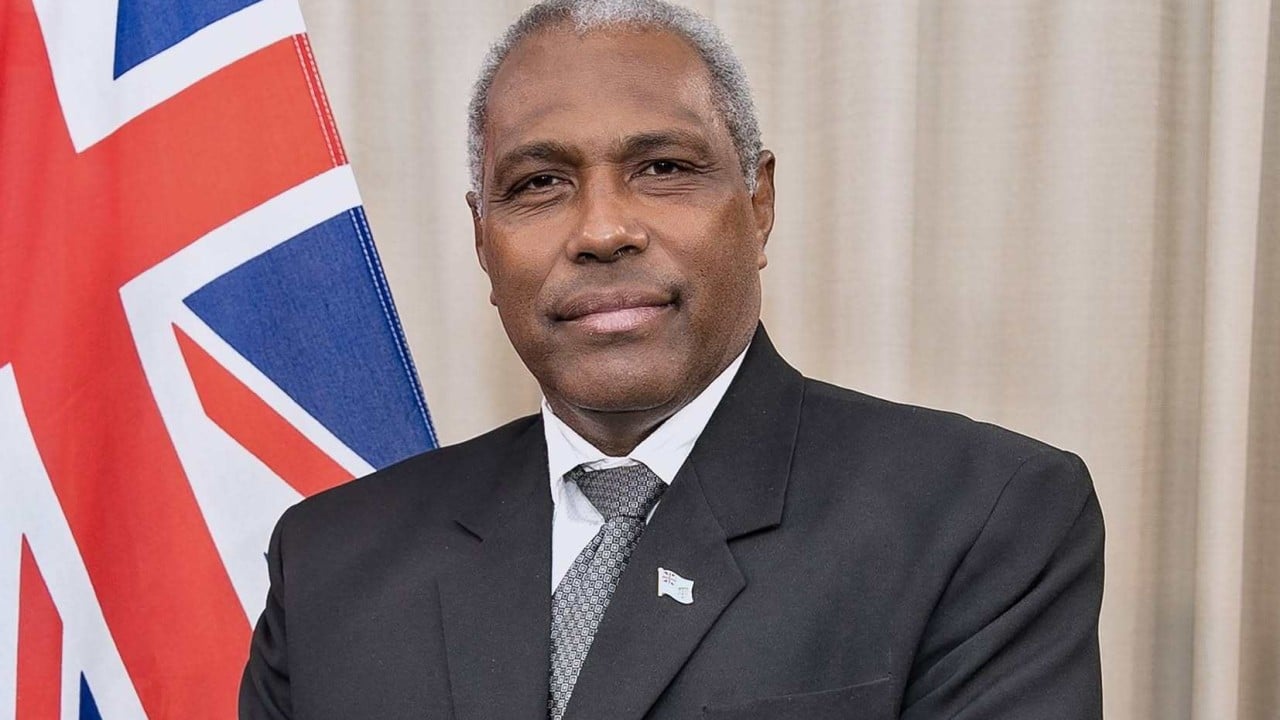
Fiji’s Justice Minister **Siromi Turaga** resigned on Tuesday after an intimate video of him circulated widely on social media, forcing Prime Minister **Sitiveni Rabuka** to accept his departure. The scandal, the second to topple a senior cabinet member in less than twelve months, has ignited a firestorm of domestic outrage and international attention, raising immediate questions about the integrity of Fiji’s governance structures and the broader implications for Pacific geopolitics.
The episode reflects deeper systemic vulnerabilities in Fiji’s political landscape. Since the 2022 electoral shift, Rabuka’s administration has grappled with a fragile coalition, a legacy of corruption allegations, and the challenge of maintaining **bilateral relations** with major powers such as Australia, New Zealand, and China. The rapid spread of the video—propelled by encrypted messaging apps and amplified by regional news outlets—exposes gaps in the country’s **online safety** framework. Prime Minister Rabuka, who previously demanded “credible proof” before acting, now faces pressure to strengthen the **Online Safety Commissioner**’s authority, a move that could set a precedent for digital‑media governance across the Pacific.
Quantitatively, the fallout is already measurable. A Bloomberg‑derived poll released on Wednesday shows public confidence in the government slipping from 48% to 31% within 48 hours of the video’s release. The **World Bank** estimates that political instability could shave up to 0.4% off Fiji’s projected 2027 GDP growth, translating to roughly **$45 million** in lost investment inflows. Tourism—a sector accounting for **40%** of Fiji’s export earnings—has seen a 3.2% dip in bookings for the upcoming quarter, as travel agencies cite “uncertainty in governance” as a deterrent.
From a market perspective, the scandal reverberates beyond Fiji’s borders. Regional investors are recalibrating exposure to Pacific equities, with the **Pacific Islands Forum** issuing a cautionary note to its members about heightened risk premiums. Meanwhile, **NATO**’s Pacific liaison office has expressed concern over the potential impact on **peacekeeping** missions, noting that “stable governance is a prerequisite for effective security cooperation.” An analyst at **Morgan Stanley** warned that “the erosion of rule‑of‑law credibility could deter multinational corporations from pursuing joint‑venture projects in the region, especially in renewable‑energy and infrastructure.” Conversely, rival political factions may capitalize on the vacuum, positioning themselves as reformist alternatives, which could reshape future **diplomacy** dynamics.
Looking ahead, several strategic developments merit close monitoring. First, the appointment of a new justice minister will signal the government’s commitment to restoring institutional integrity; the **United Nations Development Programme (UNDP)** has pledged technical assistance to bolster Fiji’s judicial independence. Second, Rabuka’s administration is expected to propose amendments to the **Online Safety Act**, potentially introducing mandatory content‑verification protocols—an initiative that could attract both praise for protecting citizens and criticism for encroaching on free expression. Finally, the incident may influence Fiji’s **bilateral relations** with key allies. Australia and New Zealand have hinted at conditional aid tied to governance reforms, while China’s growing influence could be leveraged by Rabuka to balance external pressures.
In this volatile environment, investors and policy makers should track the timeline for legislative reforms, the response of international bodies such as the **United Nations**, and any shifts in regional security postures. The convergence of a personal scandal with systemic governance challenges underscores how digital media can amplify political risk, reshaping the strategic calculus for the Pacific and its global partners.
"The rapid viral spread of this video illustrates a new frontier of political vulnerability," said Dr. Lani Mata, senior fellow at the Pacific Policy Institute. "Governments must now consider digital reputation management as integral to national security."
"The United Nations stands ready to support Fiji in reinforcing the rule of law and safeguarding human rights," affirmed **UNDP** Deputy Representative Maria Gonzalez. "Our focus will be on capacity‑building and ensuring that justice institutions remain impartial and resilient."
© Kavam News 2026. All rights reserved.