China, Russia Tighten Maritime and Arctic Logistics Pact to Safeguard Energy Supply Chains
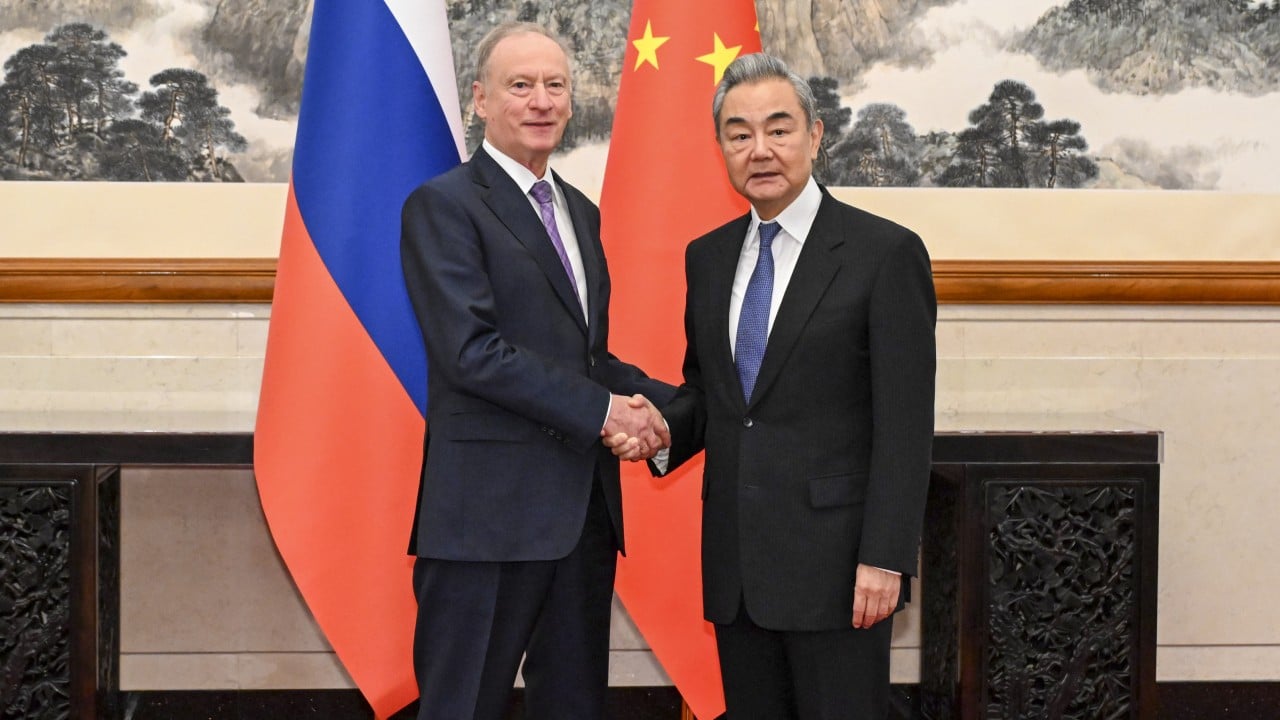
Beijing and Moscow announced a new maritime‑logistics framework on Monday, pledging to coordinate Arctic and sea‑lane operations that underpin more than **$30 billion** of annual energy trade between the two powers. The meeting between Chinese Foreign Minister Wang Yi and Russian Maritime Board chairman Nikolai Patrushev underscored a shared resolve to shield shipping routes from what both governments describe as “unlawful interference” and to cement a bilateral supply chain that bypasses NATO‑controlled chokepoints.
The pact arrives amid a widening rift between the West and the Eurasian bloc. Sanctions on Russian oil, combined with heightened U.S. naval activity in the Indo‑Pacific, have forced Moscow to seek alternative corridors. Simultaneously, China’s “dual‑circulation” strategy demands secure outbound fuel lines to sustain its growing industrial demand. By aligning their **Arctic Sea Route** ambitions, the partners aim to create a geopolitical hedge that leverages Russia’s ice‑breaker fleet and China’s port infrastructure.
According to the Russian Ministry of Transport, joint projects could increase Arctic cargo volumes by **15 %** within three years, translating to an extra 1.2 million tonnes of crude and liquefied natural gas. The Chinese state‑run shipping conglomerate COSCO has already earmarked **$5 billion** for ice‑class vessel upgrades, while Russia plans to invest in port modernisation at Murmansk and Vladivostok. Together, the initiatives represent a significant share of the combined maritime logistics spend of the two nations.
"China stands ready to work with Russia to align maritime strategies and leverage their complementary strengths to protect each other's legitimate maritime interests," Wang said. "Our joint effort will guarantee uninterrupted energy flows even under the most adverse geopolitical conditions," Patrushev asserted.
The immediate market impact is already visible in futures pricing. Brent crude slipped 0.4 % as traders priced in a lower probability of supply disruptions in the Baltic and Northern Sea routes. Shipping indices, such as the Baltic Dry Index, rose modestly, reflecting optimism about new cargo lanes. However, Western defense analysts warn that the deeper integration could trigger **United Nations**‑mandated reviews of Arctic governance, potentially inviting new compliance costs for firms operating in the region. Companies tied to **NATO** supply chains may face heightened insurance premiums and routing restrictions.
Investors should monitor three variables: the speed of ice‑breaker deployment, the evolution of sanctions policy in the United States and European Union, and the response of the United Nations Committee on the Law of the Sea to the bilateral arrangement. A formal treaty could crystallise the partnership, prompting a re‑assessment of risk models for energy logistics. Conversely, any diplomatic fallout—particularly if the UN or NATO escalates a humanitarian crisis narrative—could curtail the anticipated gains. The next quarterly earnings season will likely reveal how energy producers and shipping firms adjust capital allocation in light of the new maritime calculus.
© Kavam News 2026. All rights reserved.