Americans Favor China Over Russia Ahead of Miami G20—Poll Reveals Near‑Bottom Scores for Both
Key Takeaways
- Americans rate China 37 and Russia 27, the lowest G20 scores, per Pew's September poll of 10,300 adults.
- The ratings pressure bilateral relations, nudging NATO and United Nations discussions ahead of the Miami G20.
- Investors are reallocating into defense and emerging‑market bonds, while monitoring potential sanctions and diplomatic shifts as a catalyst.
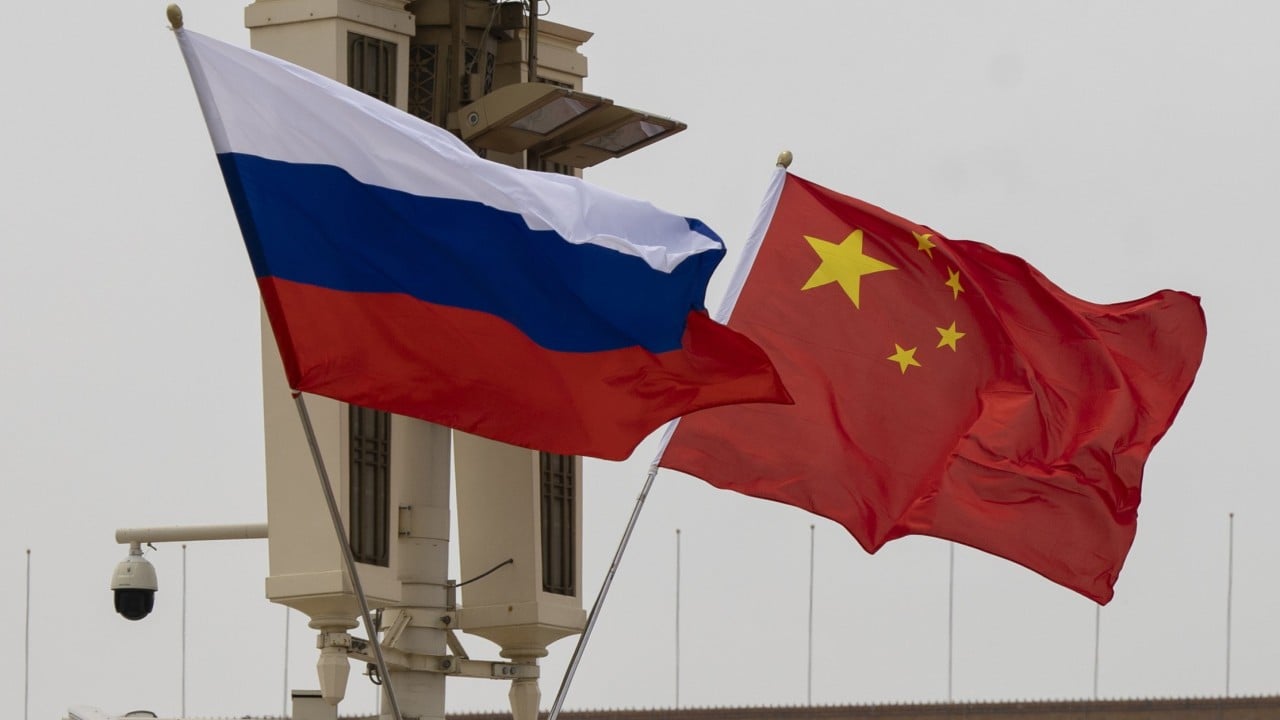
A Pew Research Center survey released Friday shows American sentiment toward G20 participants is sharply divided. Respondents gave China a 37‑point rating and Russia a 27‑point score on a 0‑100 scale, the lowest among the bloc as the United States readies to host the December G20 summit in Miami. Fieldwork was conducted in late September, capturing views before the diplomatic calendar intensified.
The poll, which surveyed 10,300 U.S. adults with a ±2‑point margin of error, placed Canada, Australia, Japan and Italy in the mid‑to‑high 60s, the only nations with favorable views. By contrast, Mexico and Brazil lingered in the low 40s, while the United Kingdom slipped to 45. The data underscores a broader international fatigue with great‑power rivalry, echoing concerns raised in recent world news analyses of geopolitics and diplomacy. Analysts note that public opinion can pressure policymakers in bilateral relations and affect market risk premiums. The lukewarm scores could dampen bilateral trade talks, especially in high‑tech sectors where Chinese firms seek U.S. market access.
Investors reacted swiftly. U.S. defense ETFs rose 1.4% as analysts anticipate heightened NATO scrutiny of Russian aggression, while Chinese ADRs slipped 0.9% on fears of a tougher U.S. stance. Energy traders also noted a 2.3% uptick in crude futures as Russian supply concerns lingered despite the low public approval. Meanwhile, sovereign‑bond yields on emerging markets edged higher, reflecting cautious capital flows amid the mixed sentiment. The development follows earlier shifts detailed in Kavam News' coverage of <a href="/world/saudi-engineer-charged-with-spying-on-openai-raises-ai-security-diplomatic-stakes" class="text-red-600 font-semibold hover:underline">Saudi engineer espionage concerns</a>, highlighting how security narratives can ripple through United Nations forums and impact peacekeeping budgets.
Going into the Miami summit, regulators and traders will watch for any diplomatic overtures that could reshape bilateral relations between Washington and Beijing or Moscow. Market participants are bracing for potential sanctions tweaks, NATO policy adjustments, and United Nations resolutions on humanitarian crisis that could swing commodity prices and risk premiums. Hedge funds are positioning for volatility in both geopolitics and currency markets, while corporate strategists monitor how the perception gap may influence supply‑chain decisions. A downside risk remains a sudden shift in public mood after any geopolitical flashpoint, which could trigger rapid capital outflows from emerging markets.
© Kavam News 2026. All rights reserved.
Frequently Asked Questions
How might the Pew poll influence U.S. policy toward China and Russia before the G20 summit?
Policymakers may use the low approval numbers to justify a tougher diplomatic stance, prompting tighter trade controls on China and reinforced sanctions on Russia, while seeking broader coalition support at the United Nations.
What risks do investors face if public sentiment shifts dramatically after the summit?
A sudden swing in perception could trigger rapid re‑pricing of sovereign debt and equities, especially in sectors tied to Russian energy or Chinese tech, raising volatility and prompting hedging strategies across currency and commodity markets.