RTX 5090’s $10,000 Price Tag Signals Nvidia’s Flagship Struggles Amid AI Boom
Key Takeaways
- The RTX 5090’s $10,000 price point exceeds what even high‑end gamers and many data‑center firms can justify.
- Nvidia’s FY2024 revenue of **$26.9 billion** may face a slowdown in the RTX‑50 line, pressuring its AI‑driven growth narrative.
- Investors will watch Nvidia’s next‑gen silicon rollout and any regulatory scrutiny over AI‑chip pricing.
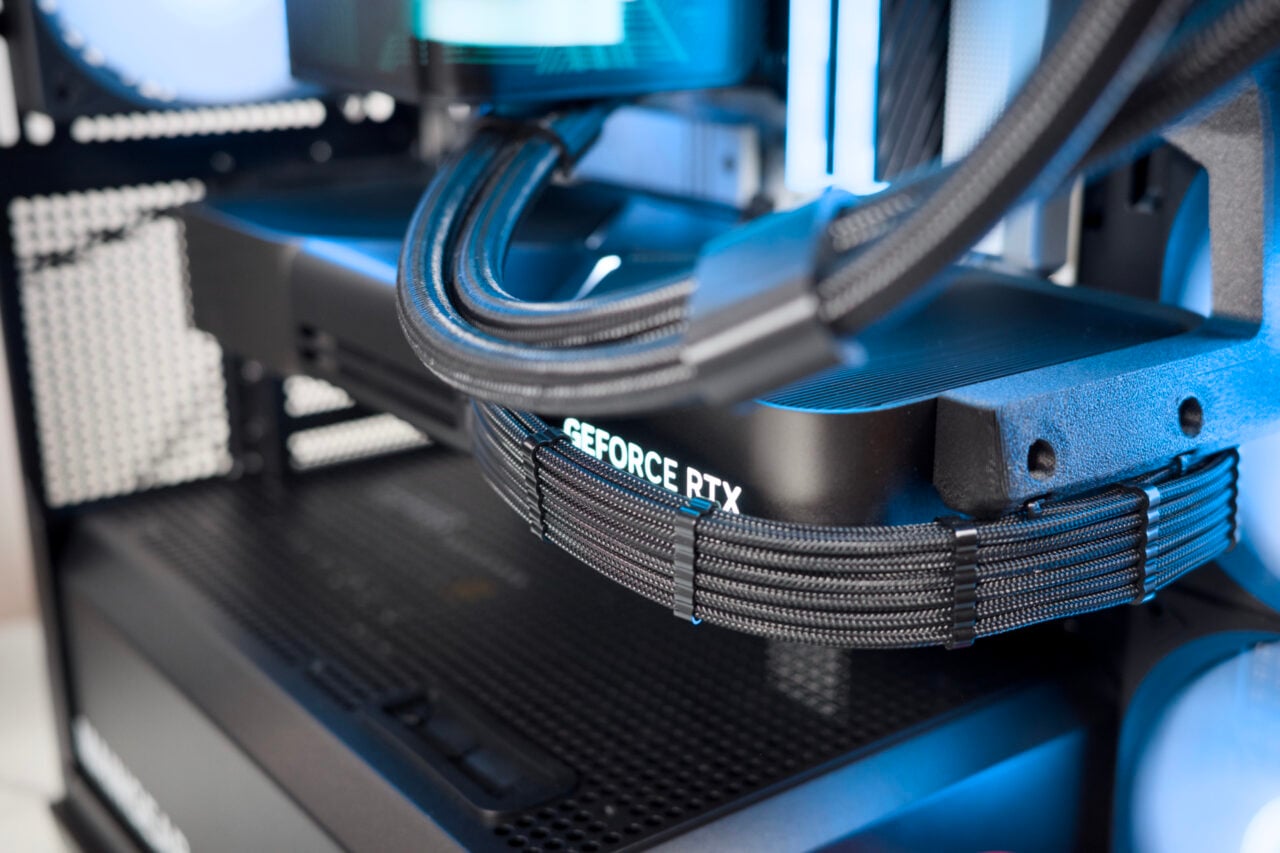
Nvidia announced that the RTX 5090, its flagship GPU for the upcoming 50‑series, could retail at $10,000—a price most consumers and even many enterprise buyers cannot absorb. The revelation comes as the tech industry races to equip large language model training clusters and generative AI workloads, but the cost barrier threatens to stall adoption.
Analysts point to Nvidia’s $26.9 billion FY2024 revenue, of which 15% stemmed from AI‑related hardware, as a benchmark for growth. A $10,000 GPU would erode the price‑performance equation that underpinned the RTX 4090’s success, potentially shaving $2 billion off projected AI‑chip sales this year. The chip shortage that has already constrained data‑center expansions now collides with a pricing cliff, forcing silicon valley firms to reconsider in‑house training versus cloud alternatives. "We’re seeing a pricing cliff that could alienate even enterprise buyers," said a senior analyst at a leading equity research firm.
The market reacted swiftly: Nvidia’s stock slipped 1.8% in after‑hours trading, while rivals such as AMD saw a modest 0.6% rally on expectations of a more affordable alternative. Investors also turned to AI‑software players, lifting shares of companies developing generative AI platforms. The pricing debate echoes earlier industry shifts detailed in Kavam News' coverage of <a href="/technology/openai-rolls-out-targeted-ads-in-chatgpt-aiming-for-1-b-revenue-and-sparking-privacy-backl" class="text-red-600 font-semibold hover:underline">OpenAI’s targeted ads rollout</a>, where revenue models were re‑engineered to offset high compute costs.
Looking ahead, regulators are likely to scrutinize whether Nvidia’s pricing practices stifle competition in the AI‑chip market, especially as the U.S. and EU probe anti‑competitive behavior in high‑tech sectors. Traders will monitor Nvidia’s upcoming Hopper‑based data‑center GPUs and any price adjustments before the Q4 earnings call. Meanwhile, the broader tech industry watches for supply‑chain relief that could lower manufacturing costs and revive the RTX‑50 series’ appeal to both gamers and AI researchers.
© Kavam News 2026. All rights reserved.
Frequently Asked Questions
Why is the RTX 5090’s $10,000 price considered a market‑breaking point?
At $10,000 the GPU exceeds the budget of most high‑end gamers and many data‑center operators, making it financially untenable for widespread AI model training.
What risks does the pricing pose for Nvidia’s long‑term AI leadership?
If the price barrier persists, customers may shift to competing chips or cloud services, eroding Nvidia’s market share and pressuring its projected AI‑revenue growth.