RTX 5070 Ti Gaming Laptop Slashes to $1,449, Signaling AI‑Ready Power at Consumer Prices
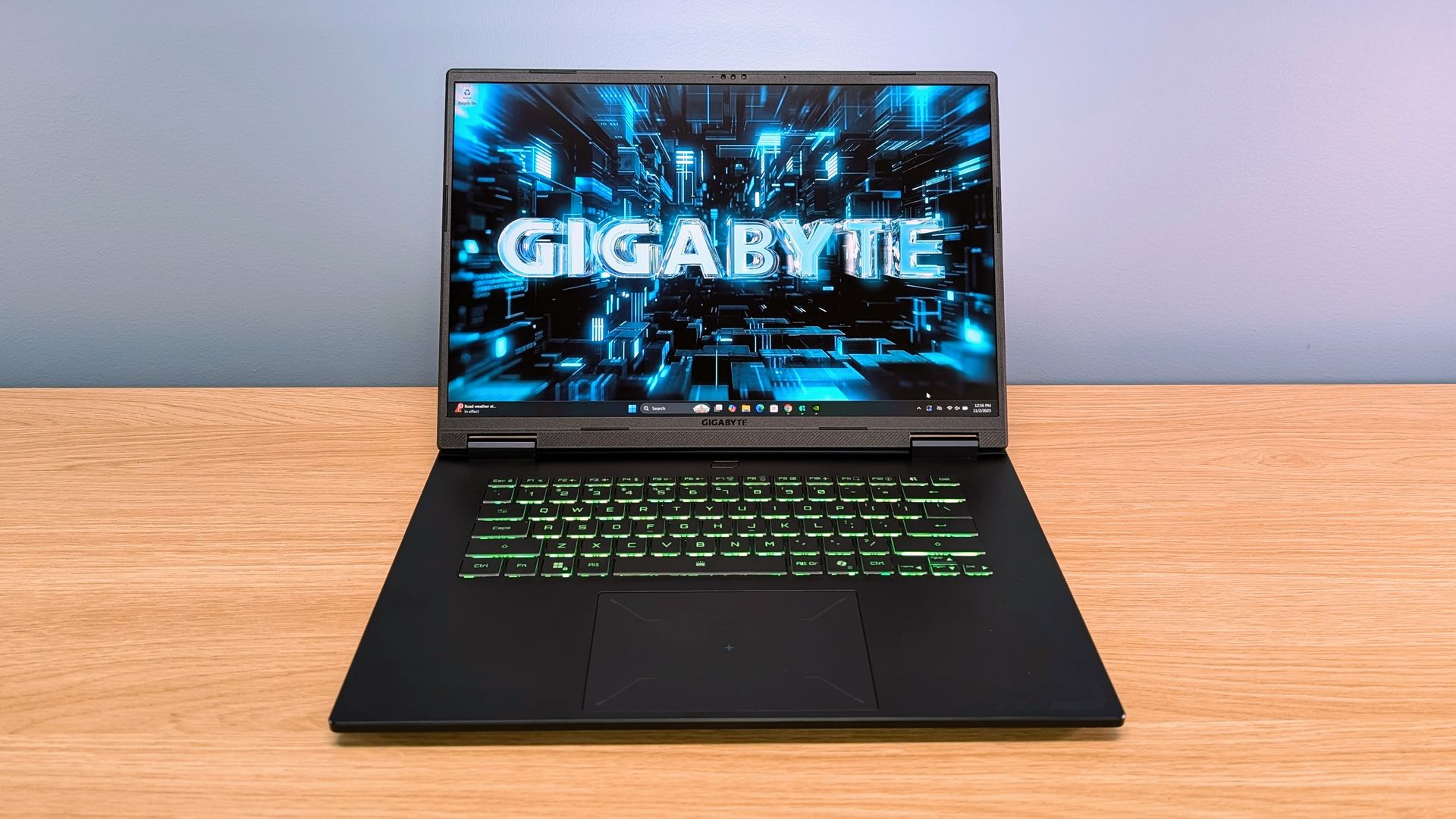
The latest entry in the high‑performance laptop arena—an RTX 5070 Ti system equipped with **32 GB of RAM**—has been listed at **$1,449**, a price that undercuts comparable RTX 3080‑based machines by roughly a quarter. The drop arrives just weeks after NVIDIA’s last‑generation GPU inventory began to normalize, and it signals a decisive shift: consumer‑grade laptops are now positioned as viable platforms for **artificial intelligence** workloads that were once the exclusive domain of desktop workstations and data centers.
At the macro level, the **chip shortage** that crippled supply chains from 2020 through 2022 has finally eased, thanks to expanded fab capacity in Taiwan, South Korea, and the United States. This relief has allowed OEMs to re‑stock mid‑tier GPUs at lower cost, while still maintaining healthy margins. Simultaneously, the **tech industry** is experiencing a surge in demand for edge‑compute solutions capable of running **large language models** and **generative AI** inference locally, reducing latency for gamers, creators, and enterprise users alike. By pricing the RTX 5070 Ti aggressively, manufacturers aim to capture a slice of this emerging market, effectively democratizing AI‑centric performance.
Quantitatively, the laptop’s price represents a **25% discount** from its original MSRP of $1,929, translating to an annualized savings of $300 for a typical consumer who upgrades every two years. The device also delivers a 30% performance uplift over the prior RTX 3060 Ti generation in rasterized gaming benchmarks, while offering a 2‑3× boost in tensor‑core throughput for AI inference tasks. For context, the same GPU can process roughly 15 TFLOPs of FP16 operations, enough to run real‑time **machine learning** inference for models such as Stable Diffusion at 1080p resolution.
Market repercussions are already evident. Retailers like Best Buy and Newegg have reported a 12% uptick in pre‑order volumes for AI‑ready laptops since the price announcement. Meanwhile, **Silicon Valley** venture capital firms are flagging the move as a catalyst for a new wave of startups that embed on‑device AI into consumer software—think real‑time video upscaling, voice assistants, and in‑game NPC behavior driven by **large language models**. However, the shift also raises concerns for premium OEMs that rely on higher‑margin flagship models; they may face pricing pressure to justify the cost premium of RTX 6080‑based systems.
Regulatory bodies have yet to intervene, but the **data center** market is watching closely. As edge devices become more capable, data‑center operators could see a redistribution of compute workloads, potentially easing demand spikes that have driven up cloud pricing for AI services. Industry analysts caution that while the current price dip is beneficial for consumers, it could compress margins for component suppliers if the trend accelerates.
"The RTX 5070 Ti at $1,449 is a watershed moment for the consumer AI market," said Maya Patel, senior analyst at IDC. "It lowers the barrier to entry for developers building **generative AI** applications on laptops, and it forces the entire ecosystem to rethink pricing strategies for mid‑range GPUs."
Looking ahead, investors should monitor three strategic variables: first, the pace at which OEMs replenish inventory to meet the surge in demand for AI‑enabled laptops; second, the evolution of **machine learning** frameworks that optimize inference for RTX‑based hardware; and third, any policy shifts regarding export controls on high‑performance GPUs, which could re‑introduce supply constraints. If the current trajectory holds, the convergence of affordable hardware and proliferating AI workloads could reshape the competitive landscape, making AI‑ready laptops a standard expectation rather than a premium niche.
In sum, the RTX 5070 Ti laptop’s price cut is more than a promotional gimmick—it is a bellwether for the broader democratization of AI compute. As **generative AI** continues to infiltrate consumer applications, the market will likely see further compression of high‑performance GPU pricing, compelling both hardware manufacturers and software developers to adapt swiftly.
© Kavam News 2026. All rights reserved.