Apple Teams with LG and Schneider Electric to Launch AI‑Powered Home Collection
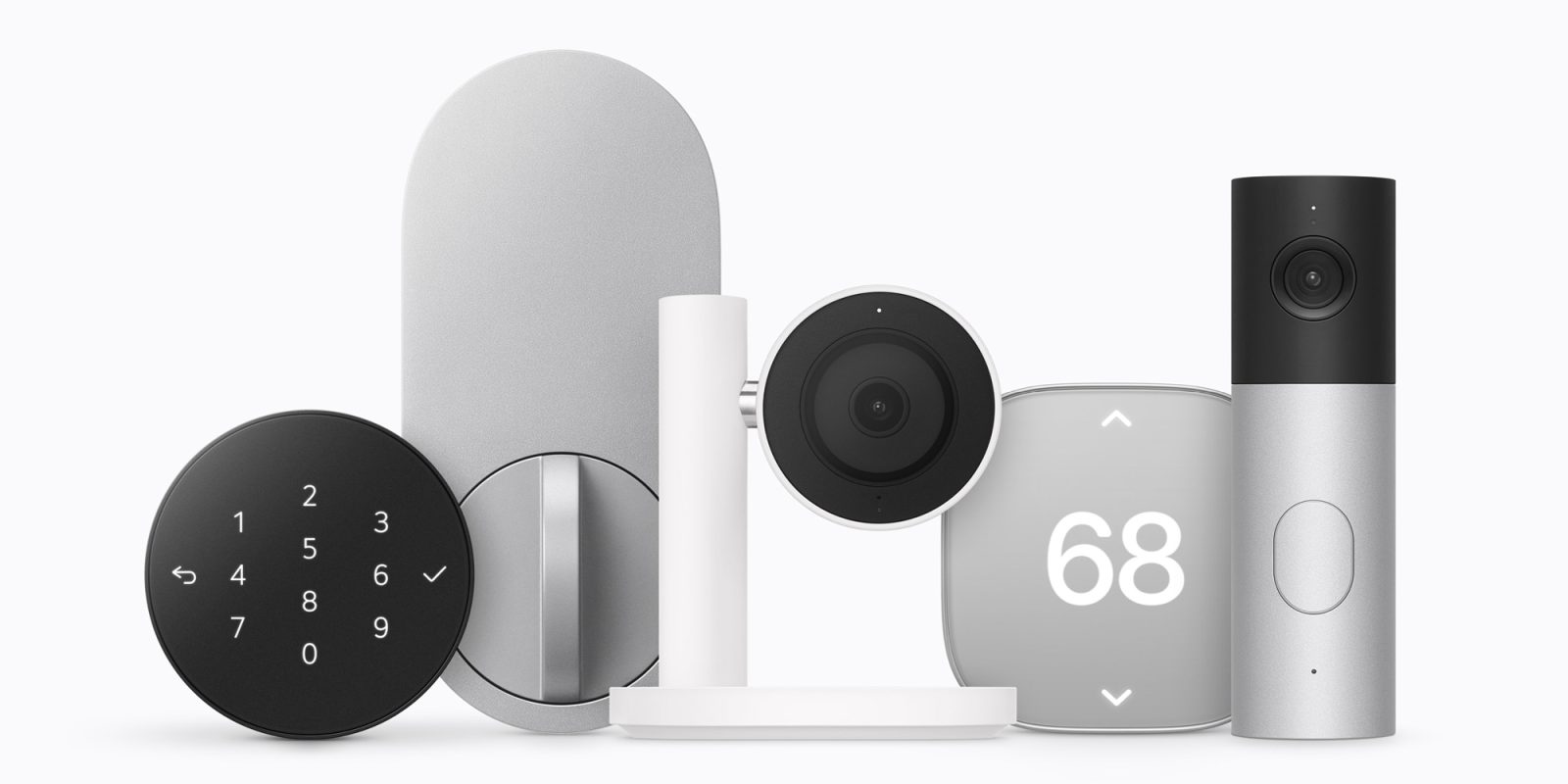
Apple unveiled its **Apple Home Collection** on Tuesday, confirming collaborations with **LG Electronics** and **Schneider Electric** to produce a suite of AI‑enhanced accessories—cameras, thermostats, and a smart lock. The announcement positions Apple at the nexus of consumer hardware and generative AI, promising tighter integration with its ecosystem while challenging entrenched players such as Amazon and Google.
The move reflects broader macro forces reshaping the **tech industry**. Silicon Valley firms are racing to embed **artificial intelligence**, **machine learning**, and **large language models** into everyday devices, turning ordinary appliances into data‑rich endpoints. Apple’s foray aligns with its recent investments in on‑device AI chips, designed to run **generative AI** workloads without relying on external **data centers**—a strategy that mitigates latency and privacy concerns. Simultaneously, a lingering **chip shortage** continues to pressure manufacturers, making strategic partnerships essential for securing component supply.
From a metrics standpoint, the global smart‑home market is valued at **$158 billion** and is expected to expand at a **12% compound annual growth rate** through 2030, according to IDC. Apple’s entry could tap an estimated **$20 billion** of incremental spend in the premium segment, where consumers prioritize security, design, and seamless integration. LG contributes its expertise in high‑resolution imaging sensors, while Schneider brings a robust **energy‑management platform** that can orchestrate power usage across devices, a capability increasingly critical as households adopt more electric appliances.
Market repercussions are already rippling through equities. Shares of LG Electronics rose **1.8%** in after‑hours trading, while Schneider Electric’s stock gained **1.3%**, reflecting investor optimism about diversified revenue streams. For Apple, the initiative diversifies its hardware portfolio beyond iPhones and wearables, potentially offsetting slowing smartphone growth. However, rivals are not idle; Amazon’s Ring and Google’s Nest continue to dominate the mid‑tier market, and regulatory scrutiny over data privacy could impede Apple’s ability to leverage AI insights without explicit user consent. As **Silicon Valley** firms grapple with antitrust probes, Apple’s emphasis on on‑device processing may serve as a defensive narrative.
"Apple’s strategic alignment with LG and Schneider underscores a shift toward AI‑first consumer hardware," said **Maya Patel**, senior analyst at IDC. "The partnership not only secures critical component supply amid the chip shortage but also creates a platform for deploying large language models at the edge, a capability that could redefine user interaction with home environments."
Looking ahead, investors should monitor three key developments. First, the rollout timeline: Apple has slated a Q1 2025 launch, but any delay caused by semiconductor constraints could erode first‑mover advantage. Second, software integration: the Home Collection will rely on a new **Apple HomeOS** powered by on‑device **generative AI**, and its success hinges on developer adoption and seamless interoperability with existing HomeKit accessories. Third, regulatory dynamics: the European Union’s Digital Services Act and emerging U.S. privacy legislation may require Apple to disclose AI decision‑making processes, potentially limiting the sophistication of on‑device models.
If Apple can navigate supply bottlenecks and regulatory hurdles, the Home Collection could become a cornerstone of its services‑driven revenue model, feeding data back into its **AI** research pipeline while reinforcing the brand’s premium positioning. For the broader **smart‑home** ecosystem, the entry of a design‑centric, AI‑enabled player may accelerate innovation, push competitors toward deeper edge‑AI capabilities, and ultimately expand consumer expectations for intelligent, secure, and energy‑efficient living spaces.
© Kavam News 2026. All rights reserved.