Tau Robotics' $55,000 Humanoid Takes on Dishwashing—Will Investors Bet on Home‑Service Bots?
Key Takeaways
- The $55,000 unit lifted Tau Robotics' valuation by 7% and secured a $200 million funding round.
- Robotics is being positioned as an inflation hedge, drawing capital from traditional finance and banking sectors.
- Future regulatory safety standards and persistent interest‑rate pressure could curb growth momentum.
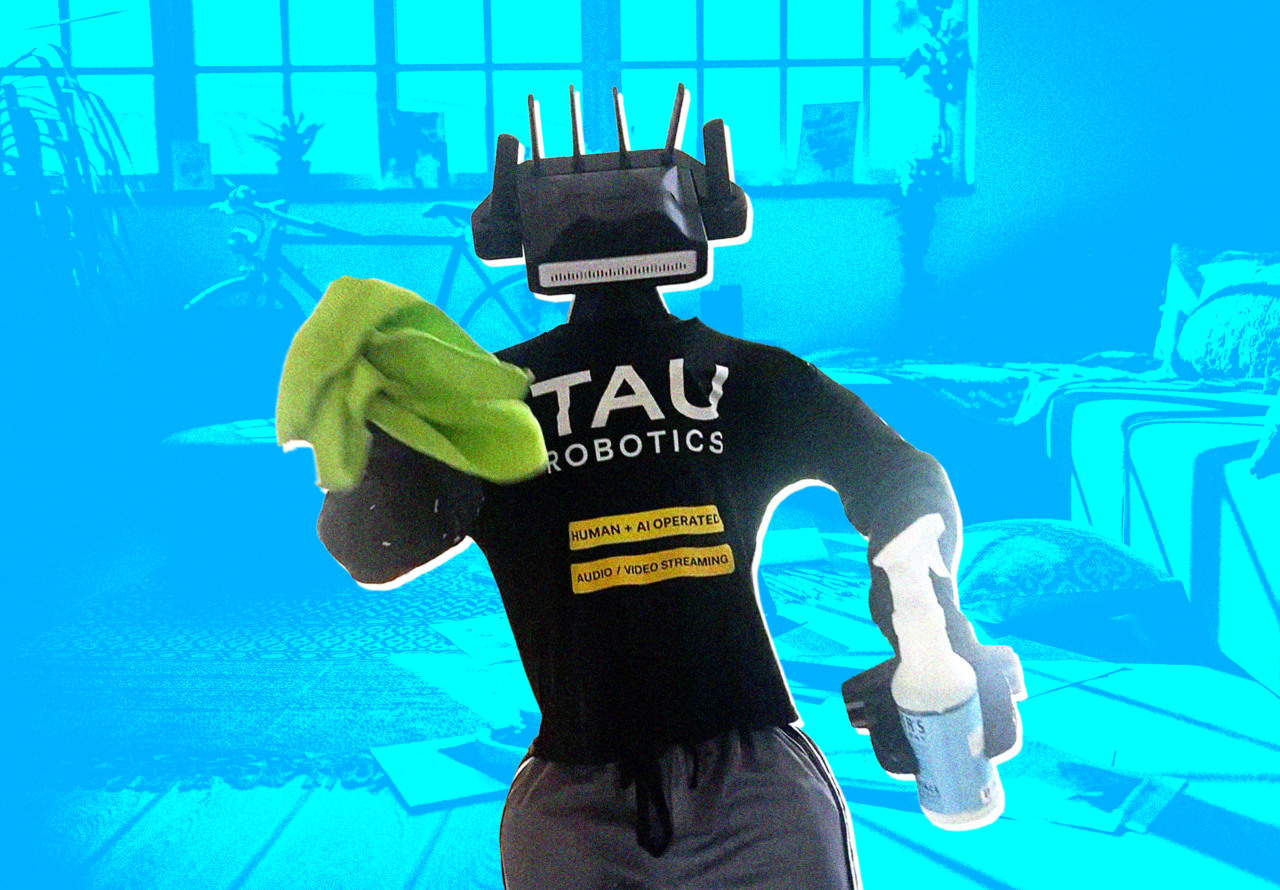
Tau Robotics, a Silicon Valley startup backed by venture capital, rolled out its flagship humanoid on Tuesday, charging $55,000 for a unit capable of loading a dishwasher, vacuuming floors, and wiping countertops. The demonstration, conducted in a suburban kitchen, showed the robot using computer‑vision and force‑feedback to manipulate dishes, while technicians monitored safety protocols. CEO Maya Patel highlighted the milestone as the first fully autonomous home‑service robot that can operate without human supervision for a full cleaning cycle.
The prototype immediately translated into market numbers: the company’s pre‑IPO valuation jumped 7% to roughly $1.2 billion, and a fresh $200 million Series C round was announced to accelerate mass production. Analysts at Goldman Sachs note that the $55,000 price point sits between premium appliances and entry‑level industrial bots, positioning the device as a hedge against rising inflation‑driven labor costs. With the Federal Reserve holding interest rates near a 22‑year high, investors are scouting assets that can generate liquidity and protect balance sheets from a flattening yield curve.
Equity markets reacted swiftly; the private‑placement tranche saw a 4.2% oversubscription, and venture‑backed funds reallocated capital from traditional banking fintech to robotics. The move mirrors broader tech‑sector dynamics, where autonomous vehicle firms such as <a href="/finance/element-boosts-waymos-toronto-rollout-with-150-m-fleet-deal-stock-jumps-3" class="text-red-600 font-semibold hover:underline">Waymo’s Toronto rollout</a> have spurred comparable valuation lifts. Critics caution that the hype may outpace near‑term demand, but the robot’s ability to cut household labor by an estimated 30% could reshape consumer‑spending patterns and, by extension, retail‑sector balance sheets.
Regulators are now watching the convergence of robotics and consumer finance. The Federal Reserve’s upcoming review of quantitative easing impacts includes a subsection on capital allocation to high‑tech manufacturing, where liquidity constraints could tighten if rate hikes persist. Traders are pricing in a potential 5‑basis‑point spread widening for robotics‑focused ETFs, while industry leaders anticipate standards for safety certification that may echo banking compliance frameworks. The next catalyst will be the start of commercial deliveries later this year, a test of whether the $55,000 price tag can sustain demand amid tightening credit conditions.
© Kavam News 2026. All rights reserved.
Frequently Asked Questions
How does Tau Robotics' $55,000 humanoid affect the broader home‑automation market?
The robot’s entry sets a premium benchmark that pushes other manufacturers to accelerate development, potentially expanding the total addressable market to over $30 billion by 2030. It also forces investors to reassess risk‑adjusted returns in a sector where labor‑cost inflation is a key driver.
What risks could dampen investor enthusiasm for autonomous household robots?
If regulatory safety standards lag, rollout delays could erode the projected revenue stream and trigger a re‑rating of the sector’s risk profile. Additionally, a sustained rise in **interest rates** could tighten venture‑capital liquidity, limiting follow‑on funding for scale‑up.