Ledger Confirms $87M CryptoBilis Drain, Reseller Halts Sales Amid Security Scrutiny
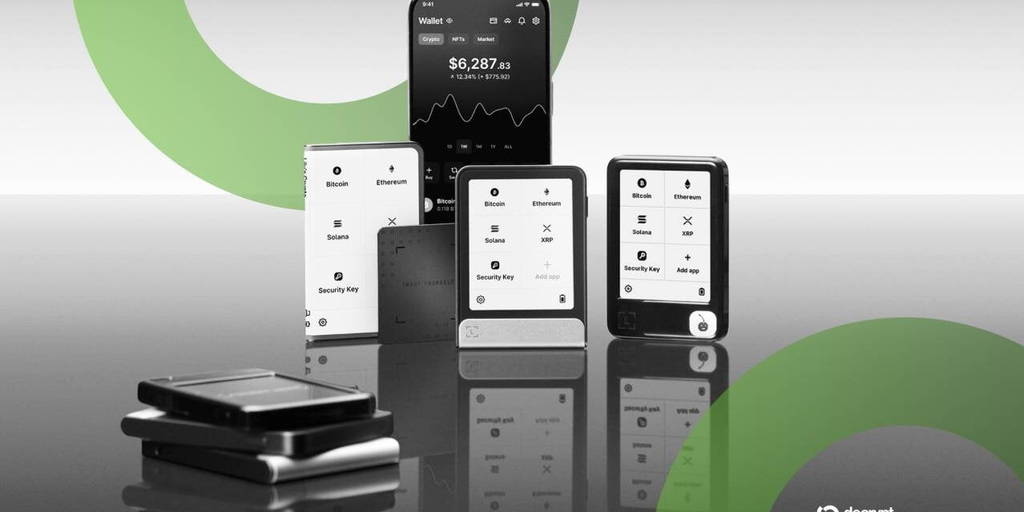
Ledger announced that every confirmed case in the alleged $87 million cryptocurrency drain originates from the activities of reseller CryptoBilis, a third‑party vendor that previously supplied Ledger’s hardware wallets to retail customers. The manufacturer emphasized that its own production lines, firmware updates, and direct sales channels remain untouched, and CryptoBilis has immediately stopped all hardware‑wallet sales. The revelation arrives as the crypto market wrestles with a series of high‑profile security lapses, raising questions about the integrity of ancillary distribution networks that sit between manufacturers and end users.
The incident underscores the growing complexity of the blockchain ecosystem, where hardware, software, and service layers intertwine across borders. As bitcoin and ethereum continue to dominate transaction volume, the reliance on secure cold storage solutions has intensified, prompting both institutional and retail investors to scrutinize every link in the custody chain. Reseller relationships, once viewed as low‑risk extensions of brand reach, now sit at the nexus of regulatory attention and cyber‑risk assessments, especially as governments worldwide tighten anti‑money‑laundering (AML) frameworks for digital assets.
According to Ledger’s internal audit, the confirmed loss totals approximately $87 million, representing a fraction of the estimated $1.2 billion in hardware wallets shipped over the past two years. The compromised wallets were traced to a batch sold exclusively through CryptoBilis between March and June, with transaction logs indicating that the majority of the stolen assets were transferred to addresses associated with known mixing services. While the exact percentage of affected devices remains undisclosed, Ledger estimates that less than 0.5 % of its overall user base was impacted, a figure that nevertheless translates into significant capital outflows from the crypto market.
Investors holding assets on affected devices face immediate exposure, as the theft has prompted a short‑term dip in the price of bitcoin and a modest pullback in ethereum futures. Competitors such as Trezor and SafePal are poised to capitalize on heightened consumer anxiety, touting independent supply‑chain audits and proprietary firmware verification processes. Meanwhile, regulators in the European Union and United States have signaled intent to draft clearer guidelines for hardware‑wallet distributors, potentially mandating third‑party certifications akin to those required in traditional financial services.
Looking ahead, regulators are expected to increase scrutiny of reseller agreements, demanding transparent reporting of sales volumes and rigorous security protocols. Market participants should monitor Ledger’s forthcoming remediation roadmap, which will likely include firmware patches, mandatory device resets, and an expanded bug‑bounty program. Additionally, the broader crypto ecosystem may see accelerated adoption of multi‑signature solutions and layer‑2 staking platforms that reduce reliance on single‑point hardware storage, thereby diversifying risk across the blockchain infrastructure.
For stakeholders, the episode serves as a reminder that the resilience of the crypto market hinges not only on the robustness of underlying protocols but also on the integrity of ancillary services. Companies that can demonstrably secure their end‑to‑end supply chain— from manufacturing to resale— will earn a competitive edge, while investors may increasingly favor assets backed by audited custodial solutions. The next quarter will reveal whether Ledger’s swift containment measures can restore confidence or whether the incident will catalyze a broader shift toward decentralized storage architectures and stricter compliance standards.
© Kavam News 2026. All rights reserved.