Bitcoin’s Lightning Network: A Mirage of Usability or the Next Scaling Frontier?
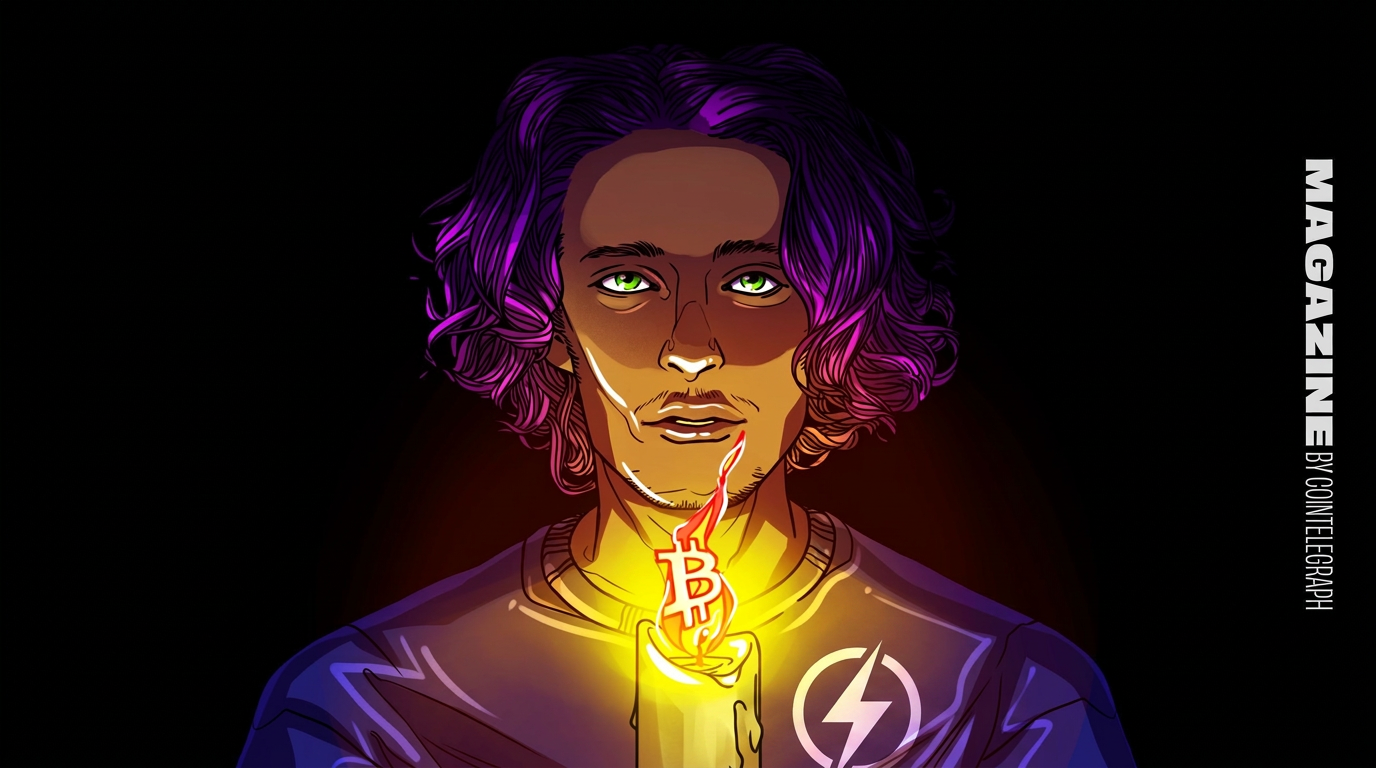
Bitcoin’s Lightning Network, touted as the protocol’s answer to scalability, is now facing a stark critique from its own architect, Paul Sztorc, who argues that the community is "lying to itself" about real‑world adoption. As developers parade incremental UI upgrades, the gap between laboratory‑grade transactions and everyday merchant usage widens, putting the network’s long‑term relevance in question.
The macro landscape is defined by an escalating arms race among **layer 2** solutions across the **blockchain** ecosystem. While **Ethereum** leans on rollups and optimistic variants to boost throughput, Bitcoin’s strategy has remained anchored to Lightning, a second‑layer network that promises near‑instant, sub‑satoshi fees. Yet the broader **crypto market** is increasingly skeptical: investors demand measurable usage, not just technical blueprints. The tension reflects a deeper systemic question—can a decentralized monetary base scale without compromising its security model?
Quantitative signals paint a sobering picture. As of the latest audit, Lightning’s total locked value (TLV) hovers around **$1.2 billion**, a modest slice of Bitcoin’s **$560 billion** market cap. Daily transaction capacity averages **$15.3 million**, roughly 0.03 % of the on‑chain volume, and the number of active nodes has plateaued at about 1,200 after a brief surge in 2022. Moreover, the average payment path length has crept up to 4.2 hops, inflating latency and eroding the user experience that early adopters once celebrated. In contrast, **Ethereum’s** rollup ecosystem processes over **$30 billion** daily, underscoring the disparity in layer‑2 maturity.
Market repercussions are already manifesting. **Blockstream** continues to fund Lightning‑related research, betting on its potential to unlock new use cases such as micropayment‑driven **NFT** minting and decentralized finance (DeFi) primitives. Conversely, **Coinbase** has allocated capital to both Lightning and competing solutions like Stacks, signaling a strategic diversification against the risk that Lightning may never achieve mainstream merchant integration. For custodial services, the uncertainty translates into heightened compliance scrutiny: regulators in the U.S. and EU are probing whether off‑chain settlement layers could obscure anti‑money‑laundering (AML) controls, a concern that could shape future licensing frameworks.
Looking ahead, several catalysts will determine whether Lightning evolves from a niche experiment to a foundational payment rail. First, the upcoming **Lightning Network Daemon (LND) 0.16** release promises automated channel rebalancing, a feature that could reduce the operational overhead that currently deters small merchants. Second, cross‑chain bridges linking Lightning to **Ethereum’s** smart‑contract ecosystem may enable hybrid applications—think instant Bitcoin payments that trigger **staking** rewards on an ERC‑20 token. Finally, institutional adoption will hinge on clear risk metrics; as Sztorc cautions, "If the network cannot demonstrate consistent, sub‑second settlement for everyday commerce, it will remain a technical curiosity rather than a financial necessity."
In sum, the debate over Lightning’s viability is less about technology and more about ecosystem alignment. Investors, developers, and regulators must watch three converging trends: the pace of usability enhancements, the emergence of competing **layer 2** architectures, and the regulatory response to off‑chain transaction flows. The next twelve months will reveal whether Lightning can shed its self‑imposed mythos and become a genuine conduit for Bitcoin’s mass‑market ambitions.
© Kavam News 2026. All rights reserved.