110 Bot Wallets Drive 70% of RLUSD Payments on XRP Ledger, Prompting Regulatory Scrutiny
Key Takeaways
- Automated wallets dominate RLUSD flow, handling roughly 70% of transactions in a one‑month window.
- The concentration raises liquidity concerns that could depress XRP’s price and attract tighter oversight.
- Future monitoring will focus on AML compliance, bot mitigation strategies, and broader crypto market ripple effects.
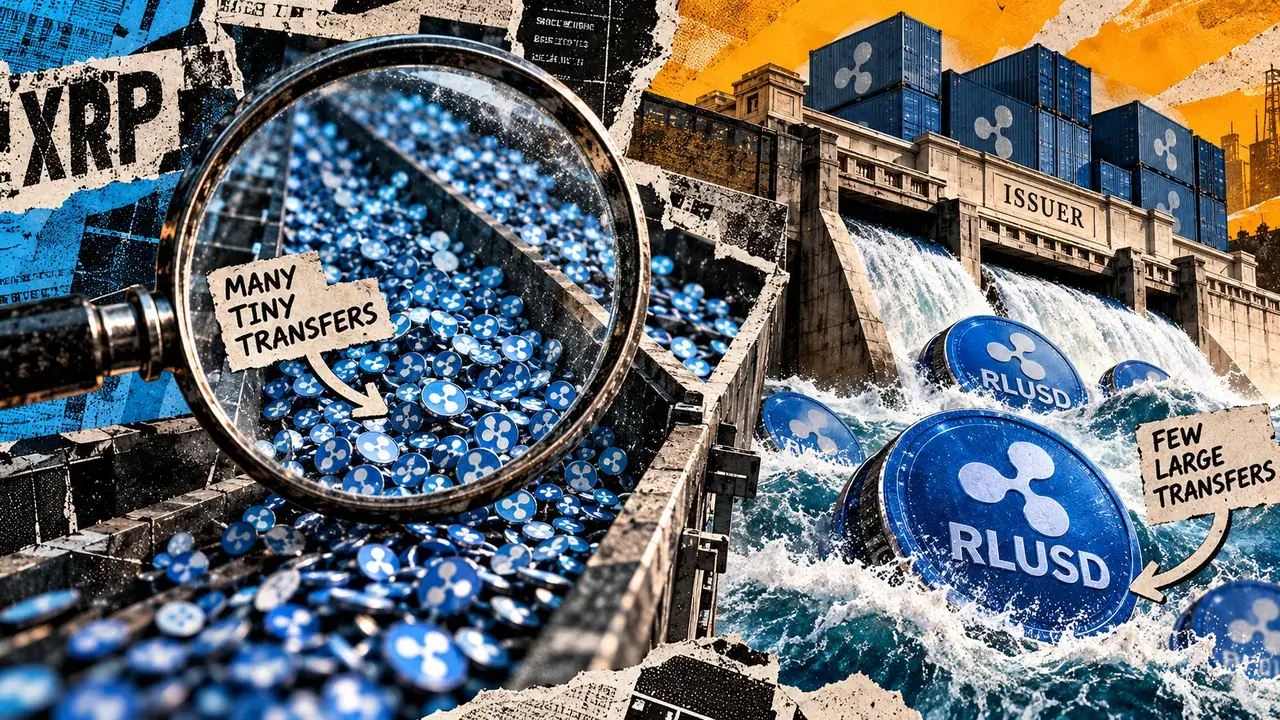
Bitquery’s Sep 19–Oct 18 analysis of the XRP Ledger revealed that 110 bot wallets were responsible for about 70% of all RLUSD transfers, dwarfing human‑driven activity. The study, which parsed billions of dollars in on‑chain value, highlighted that these automated accounts moved roughly $1.2 billion of the stablecoin in the period, underscoring a stark concentration of liquidity.
The sheer volume handled by bots translates into market‑level implications. XRP’s price slipped 4% in the days following the report, as traders priced in heightened liquidity risk. Meanwhile, the RLUSD stablecoin, pegged to the US dollar, saw its on‑chain velocity surge, prompting concerns from the Securities and Exchange Commission and other regulators about potential market manipulation. "When a handful of addresses control the majority of a stablecoin’s flow, it creates a single point of failure for the broader ecosystem," said Maya Patel, senior analyst at CryptoPulse.
Investors across the crypto market are reacting cautiously. Bitcoin and ethereum prices remained largely stable, but the ripple effect is evident in reduced staking yields on platforms that rely on XRP‑based collateral. The episode also dovetails with broader industry stressors, such as the recent volatility in AI‑driven equities, detailed in Kavam News' coverage of <a href="/crypto/nasdaq-faces-potential-30-crash-if-ai-spending-falters-warns-wisdomtree-veteran" class="text-red-600 font-semibold hover:underline">Nasdaq AI spending risk</a>. Market participants are re‑evaluating exposure to layer 2 solutions and smart‑contract protocols that integrate RLUSD for liquidity provisioning.
Looking ahead, regulators are expected to tighten AML and KYC requirements for high‑frequency wallets on public blockchains. Traders will monitor on‑chain analytics for shifts in bot activity, while issuers of RLUSD may consider implementing rate‑limiting or proof‑of‑humanity mechanisms. The broader narrative points to an industry at a crossroads: balancing the efficiency of automated finance with the need for transparent, secure infrastructure that safeguards investors and preserves the integrity of the blockchain ecosystem.
© Kavam News 2026. All rights reserved.
Frequently Asked Questions
Why does the dominance of 110 bot wallets matter for XRP investors?
Because they control the majority of RLUSD flow, any disruption or manipulation by these bots can quickly affect XRP’s liquidity and price stability.
What could happen if regulators impose stricter rules on automated wallets?
Stricter AML/KYC enforcement could curb bot activity, potentially reducing volatility but also limiting the speed of RLUSD transactions, impacting market participants reliant on rapid settlement.