UnitedHealth Tightens Medical-Cost Ratio to 88.4% and Raises Outlook as Health‑Care Costs Stall
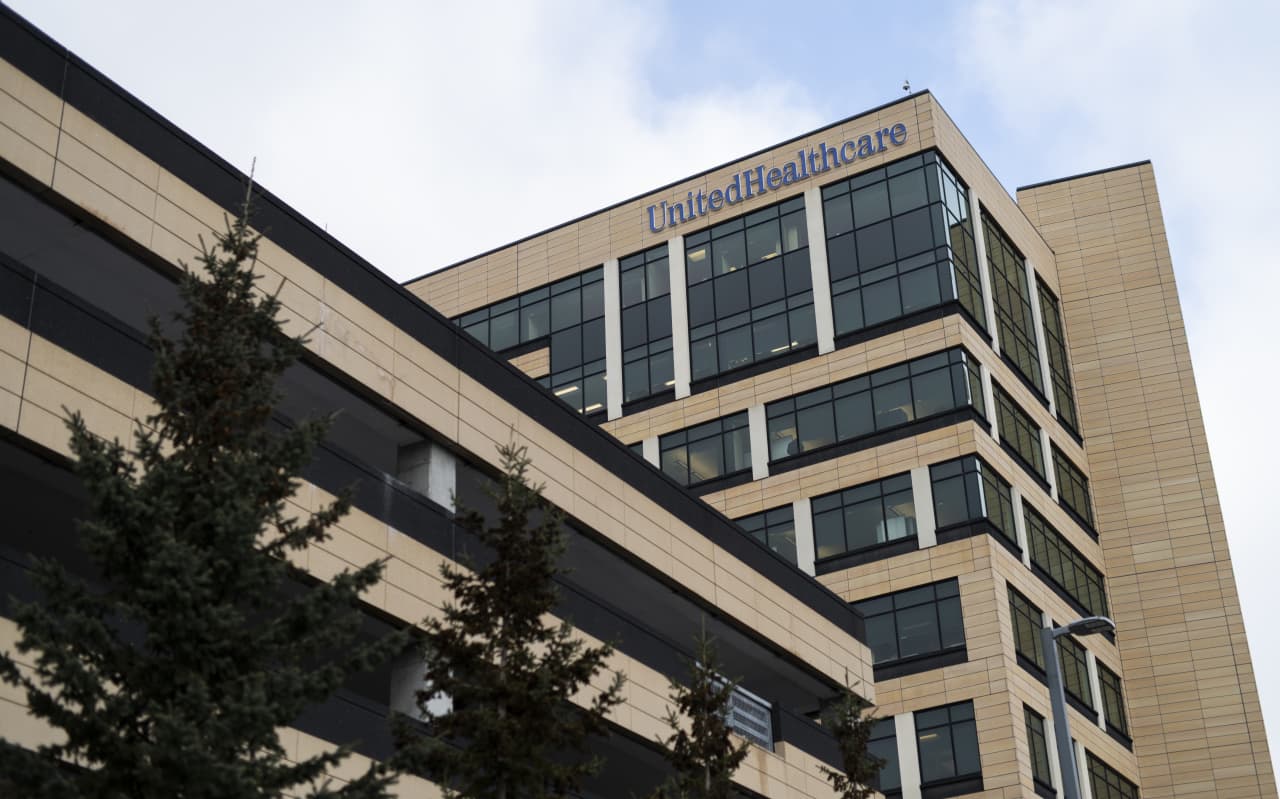
UnitedHealth Group reported a **medical-cost ratio 88.4%** for the **third quarter**, beating analysts and prompting a fresh upgrade to its earnings outlook. The insurer’s ability to curb spending while expanding enrollment underscores a rare win‑win in a sector where cost inflation has been the norm.
The broader health‑care landscape has been dominated by rising drug prices, provider consolidation, and lingering pandemic‑related utilization spikes. UnitedHealth’s success rests on a combination of tighter network contracts, advanced analytics that steer patients toward lower‑cost settings, and a supply‑chain strategy that leverages scale to negotiate better terms with pharma and device makers.
The company posted **EBITDA** of $13.2 billion, a 9% year‑over‑year rise, and **operating income** climbed to $6.4 billion, reflecting a 12% margin expansion. The 88.4% cost ratio translates to a **shareholder value** uplift of roughly $2.1 billion, according to Bloomberg estimates. Moreover, UnitedHealth’s enrollment grew 3.2% to 53 million members, adding premium revenue without proportionate cost growth.
The upbeat guidance sent **UnitedHealth Group** shares up 4.3% in after‑hours trading, narrowing the performance gap with the **S&P 500** health‑care index. Competitors such as Anthem and Cigna face heightened pressure to match cost‑control benchmarks, while pharmacy benefit managers (PBMs) see an opening to deepen rebate negotiations. Meanwhile, private equity firms eye the sector’s fragmented **supply chain**, anticipating further M&A activity to capture scale economies.
UnitedHealth’s recent acquisition of LHC Group for $5 billion illustrates a strategic pivot toward integrating post‑acute care into its value‑based contracts. Analysts contend that such **merger** activity, paired with the company’s robust **corporate earnings** profile, positions it to extract higher margins from bundled‑payment models. The move also diversifies revenue streams, insulating earnings from potential policy shifts in Medicare Advantage.
"Our disciplined cost‑management initiatives are delivering tangible results," said **CEO Andrew Witty** in the earnings call. Health‑economics analyst Maya Patel added, "The 88.4% ratio is not a one‑off; it signals a sustainable shift toward tighter cost stewardship that could reset industry benchmarks."
Investors should monitor three catalysts: the rollout of UnitedHealth’s next‑generation analytics platform, pending regulatory reviews of its vertical integration strategy, and the macro‑trend of drug‑price legislation in Washington. A slowdown in enrollment growth or an unexpected surge in high‑cost specialty drugs could erode the margin gains that underpin the upgraded outlook. Nonetheless, the firm’s emphasis on data‑driven **supply chain** efficiencies and disciplined capital allocation suggests a durable competitive moat.
© Kavam News 2026. All rights reserved.