SpaceX Secures $40 B Debt Deal, Raising Stakes for AI Rivals and Shareholder Value
Key Takeaways
- The **$40 billion** senior secured notes provide SpaceX with low‑cost capital to scale its AI chip‑rental platform.
- The financing tightens credit for competing AI firms while bolstering SpaceX’s balance sheet and projected **EBITDA** growth.
- Watch upcoming corporate earnings and any **merger** or **acquisition** chatter as rivals scramble for alternative funding sources.
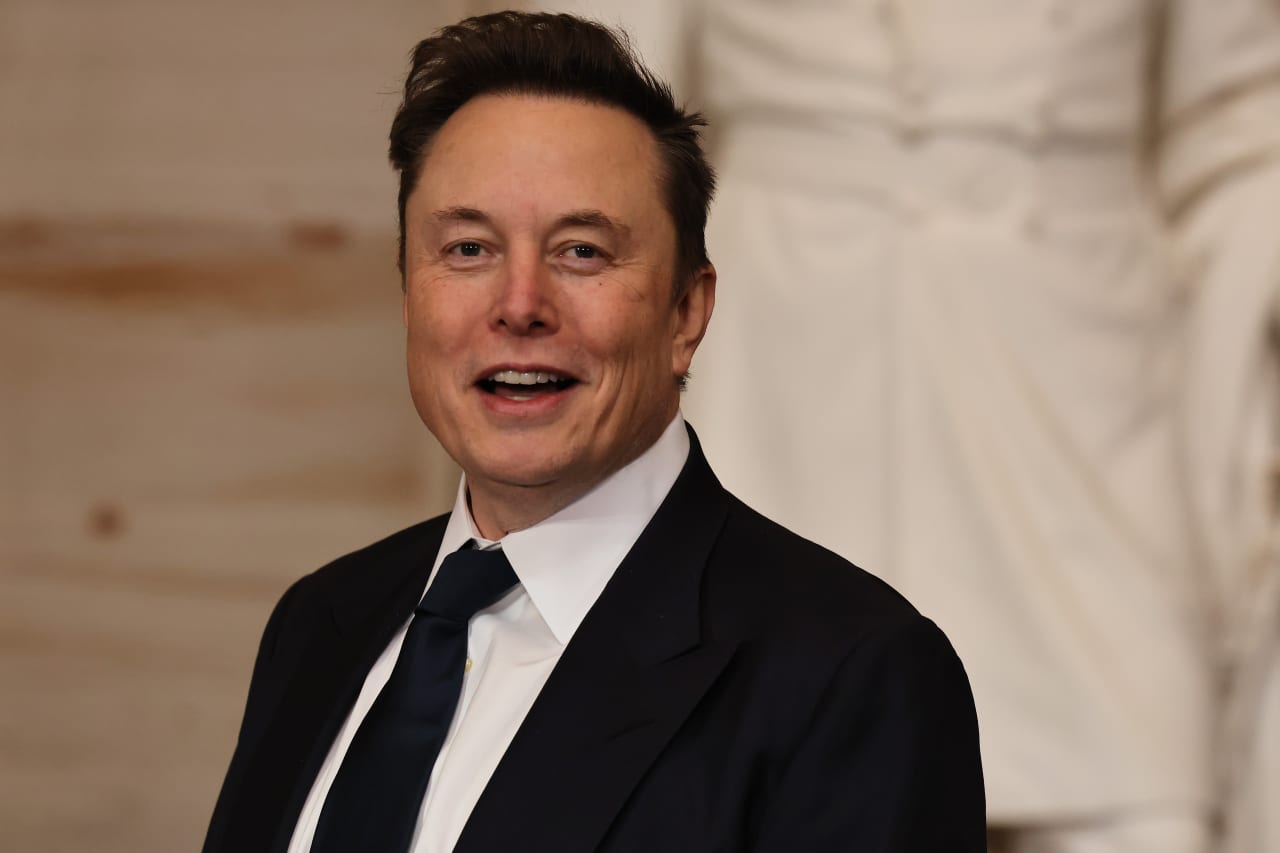
SpaceX announced on its televised market brief that it has closed a $40 billion senior secured debt package, a move designed to fund the rapid expansion of its AI chip‑rental business. The financing was detailed in a recent broadcast where Elon Musk, CEO, emphasized the deal’s role in cementing SpaceX’s position as a critical infrastructure provider for generative‑AI workloads. By tapping the capital markets, the company sidesteps the higher‑cost equity route and preserves existing shareholder equity.
The debt is structured as senior notes with a 5‑year maturity and an interest rate marginally above LIBOR, reflecting the market’s confidence in SpaceX’s cash‑flow profile. Analysts at Morgan Stanley note that the infusion will improve the firm’s operating income leverage, potentially lifting its EBITDA margin by 150 basis points once the AI rental segment reaches scale. The added liquidity also strengthens the balance sheet, reducing leverage ratios and positioning the company for future strategic investments without diluting existing shareholders.
Strategically, the financing sends a clear signal to rival AI firms that access to high‑performance chips will become costlier. Competitors such as Anthropic and Inflection AI, which rely on external cloud providers, may face tighter credit conditions as lenders reassess risk in a market now dominated by a vertically integrated player. The move also underscores SpaceX’s ambition to control more of the AI supply chain, from launch services to on‑orbit compute, creating a defensible moat that could reshape industry dynamics.
From a corporate earnings perspective, SpaceX is slated to report its first quarterly results that include revenue from the AI rental unit in early 2025. Management projects the new segment to contribute $2 billion in top‑line revenue by fiscal year‑end, with a gross margin of roughly 55%. This outlook, combined with the debt’s low‑cost nature, suggests a positive impact on net income and an uplift in shareholder value that could translate into higher stock valuations for any publicly listed affiliates.
Investors should monitor the evolving landscape for potential merger or acquisition activity, as smaller AI chip firms may become attractive targets for SpaceX’s expanding ecosystem. The development follows earlier shifts detailed in Kavam News' coverage of <a href="/business/why-vibecoding-lowcode-apps-are-triggering-a-45-b-funding-surge-and-a-22-market-rally" class="text-red-600 font-semibold hover:underline">low‑code AI platform funding surge</a>, highlighting how capital flows are gravitating toward integrated AI infrastructure providers. Risks remain, however, including execution delays in the satellite‑based compute network and potential regulatory scrutiny over market concentration.
Overall, the $40 billion debt deal not only fuels SpaceX’s AI ambitions but also reshapes the competitive terrain, pressuring rivals while delivering tangible balance‑sheet benefits and a clear pathway to enhanced shareholder value ahead of the next earnings season.
© Kavam News 2026. All rights reserved.
Frequently Asked Questions
How does the $40 billion debt package affect SpaceX’s financial health?
The senior secured notes lower SpaceX’s weighted‑average cost of capital, improve liquidity, and reduce leverage ratios, positioning the company for profitable growth.
What are the potential risks for investors in SpaceX’s AI expansion?
Key risks include execution delays in the satellite compute network, heightened regulatory scrutiny, and the possibility that rival AI firms secure alternative financing, dampening SpaceX’s pricing power.