Diesel Shortage Looms to 2027 as Trump-Russia Deal Fails to Ease Supply Crunch
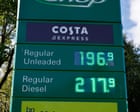
The **International Energy Agency (IEA)** released a stark forecast on Monday: the diesel supply gap that began in 2023 will persist well into 2027, despite President Donald Trump’s recently announced energy accord with Russia. The deal, which promises limited Russian crude shipments to U.S. refineries, does not address the core bottleneck—refinery capacity and inventory levels across the **Eurozone diesel inventories**. As a result, diesel‑dependent sectors from trucking to maritime freight are bracing for prolonged price volatility and tighter margins.
Underlying the squeeze is a confluence of geopolitical, regulatory and market forces. Sanctions imposed after Russia’s 2022 invasion forced European refiners to curtail imports of Russian crude, while Moscow’s own refinery outages reduced global diesel output. Simultaneously, the **U.S. Treasury** has signaled a tougher stance on oil‑related financing, limiting the flow of capital to projects that could alleviate the shortfall. The IEA’s new oil market report underscores that without a coordinated policy response, the diesel deficit will deepen as existing inventories dwindle.
Quantitatively, the outlook is sobering. The IEA estimates that **Eurozone diesel inventories** will fall by roughly 12% year‑over‑year, translating to a net annual shortfall valued at **$2.3 billion**. Spot diesel premiums over Brent have already widened to $25‑$30 per barrel, a level not seen since 2011. In the United States, the crack spread between diesel and crude has risen 18% since the start of the year, pressuring refiners’ **operating income**. For corporations reliant on diesel‑fuelled logistics, the impact on **EBITDA** could range from a 4% contraction for low‑margin carriers to a 6% hit for high‑volume shippers.
Market participants are already adjusting strategies. Major logistics firms are renegotiating freight contracts and accelerating the transition to alternative fuels, but the pace of fleet electrification remains insufficient to offset near‑term deficits. **CEO** of Global Freight Solutions, Maria Alvarez, warned, "Our **operating income** this quarter will reflect a **EBITDA** dip of roughly 5% as diesel price spikes erode margin buffers. Shareholder value is at stake unless we secure longer‑term supply contracts or pursue strategic acquisitions of regional refineries."
The supply crunch is also reshaping the corporate M&A landscape. Several mid‑size European refiners, pressured by thin spreads, are exploring **merger** and **acquisition** talks to achieve economies of scale and bolster inventory buffers. Analysts note that a consolidated refining sector could stabilize **supply chain** flows, but antitrust hurdles and divergent national energy policies may limit the speed of consolidation. Meanwhile, the **U.S. Treasury** is expected to tighten licensing for Russian crude imports, a move that could further restrict the flow of feedstock into Western refineries and keep the diesel market under pressure.
Looking ahead, investors should monitor three critical variables. First, the implementation timeline of the Trump‑Russia energy pact; any deviation from the announced volume caps could exacerbate the deficit. Second, policy shifts at the IEA and the European Commission regarding strategic diesel reserves, which could provide a buffer in extreme price spikes. Third, the pace of **refinery mergers** and the emergence of integrated logistics‑refining entities that might capture **shareholder value** by internalising supply risk. In a market where diesel price differentials are projected to stay above **$2.3 billion** annually, the ability to navigate the supply‑chain squeeze will separate resilient businesses from those that see earnings erosion.
In sum, the diesel squeeze is not a transient blip but a structural challenge that will test corporate earnings, supply‑chain resilience and strategic capital allocation through 2027. Stakeholders that proactively manage inventory risk, explore vertical integration, and hedge against price volatility will be best positioned to protect **EBITDA** and deliver sustainable **shareholder value**.
© Kavam News 2026. All rights reserved.