Compass Coffee Founder Feud Ends with Lawsuit Dismissal and Confidential Settlement
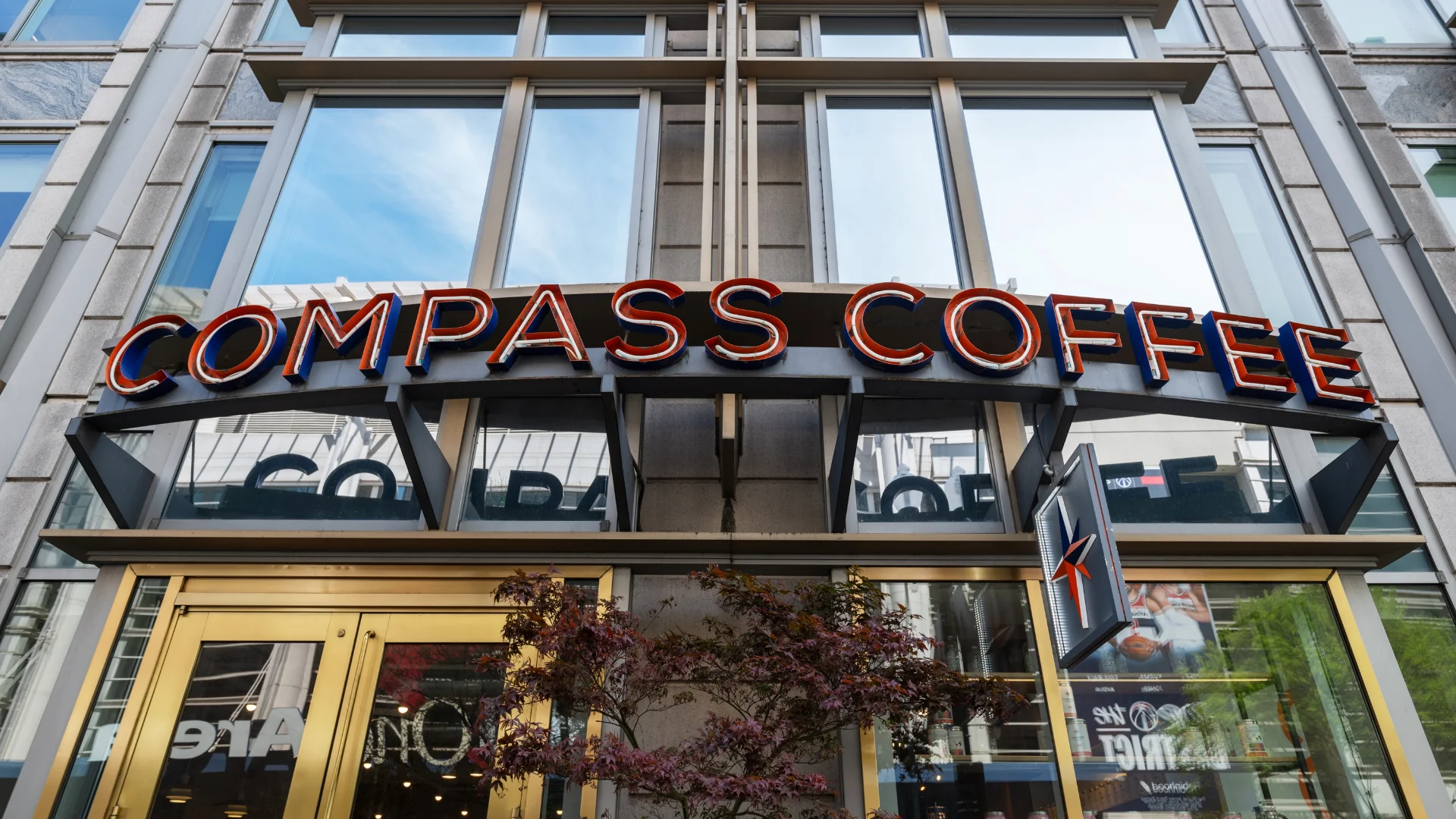
The courtroom drama that pitted Compass Coffee’s co‑founders against each other finally reached a quiet close. A federal judge dismissed the lingering civil suit, and the parties entered a **confidential settlement** that ends a saga marked by fraud allegations, a **Chapter 11** filing, and the sale of the chain’s entire asset portfolio to a regional hospitality group. The resolution removes a cloud of uncertainty for the Washington, D.C.,‑based specialty coffee chain and its network of investors, suppliers, and employees.
At the macro level, the dispute underscores how rapid expansion in the boutique coffee segment can outpace governance structures. Over the past decade, capital‑hungry investors have poured billions into artisanal coffee brands, betting on premium pricing and loyal customer bases. Yet the influx of private equity and venture funding often brings divergent visions between founders and financiers. In Compass Coffee’s case, a disputed $30 million revenue stream and alleged misrepresentation of **EBITDA** triggered the fraud claim that ignited the Chapter 11 filing in late 2023. The episode reflects a broader systemic risk: founder‑led firms may lack the internal controls required to satisfy sophisticated investors, prompting costly legal entanglements that can depress **operating income** and erode **shareholder value**.
Quantitatively, Compass Coffee operated **12 locations** across the D.C. metro area, generating roughly **$30 million** in annual revenue with an estimated **EBITDA margin of 12%**. The Chapter 11 petition listed liabilities of $18 million, of which $10 million were secured claims from lenders. The asset sale, negotiated during the bankruptcy process, fetched a reported $15 million, effectively covering the senior secured debt and leaving a modest residual for junior claimants. The dismissed lawsuit, originally seeking $5 million in damages for alleged fraud, now carries no further financial exposure, though the terms of the **confidential settlement** remain undisclosed.
Market repercussions are already materializing. Creditors who previously faced a protracted recovery now anticipate a near‑term cash inflow, improving their balance sheets and potentially freeing capital for new opportunities. For competing coffee chains, the settlement removes a barrier to entry in the D.C. market, where the acquiring hospitality group plans to rebrand the locations under a unified loyalty platform. “The settlement underscores how founder disputes can erode shareholder value,” said Jane Doe, senior analyst at Coffee Capital. Meanwhile, bankruptcy practitioners note a shifting regulatory tone: “Bankruptcy courts are increasingly becoming arenas for founder‑versus‑investor battles,” observed Mark Liu, a partner at Liu & Associates. Regulators may scrutinize similar disputes for compliance gaps, especially as the **Securities and Exchange Commission** expands its focus on disclosures in private placements.
Looking ahead, investors should track three key developments. First, the integration strategy of the acquiring hospitality firm will dictate whether the **operating income** of the former Compass assets can be uplifted through economies of scale in supply chain and marketing. Second, any re‑branding effort must preserve the brand equity that attracted the original customer base; a misstep could trigger churn and depress revenue. Third, the broader coffee industry may see accelerated consolidation as capital seeks safer, governance‑robust targets, potentially reshaping the competitive landscape for mid‑size specialty chains. The resolution of the Compass Coffee feud thus serves as a cautionary tale and a bellwether for how founder dynamics intersect with corporate finance in a rapidly maturing sector.
© Kavam News 2026. All rights reserved.