Buy‑Now‑Pay‑Later Becomes $157 Billion Engine, Redefining Product Strategy
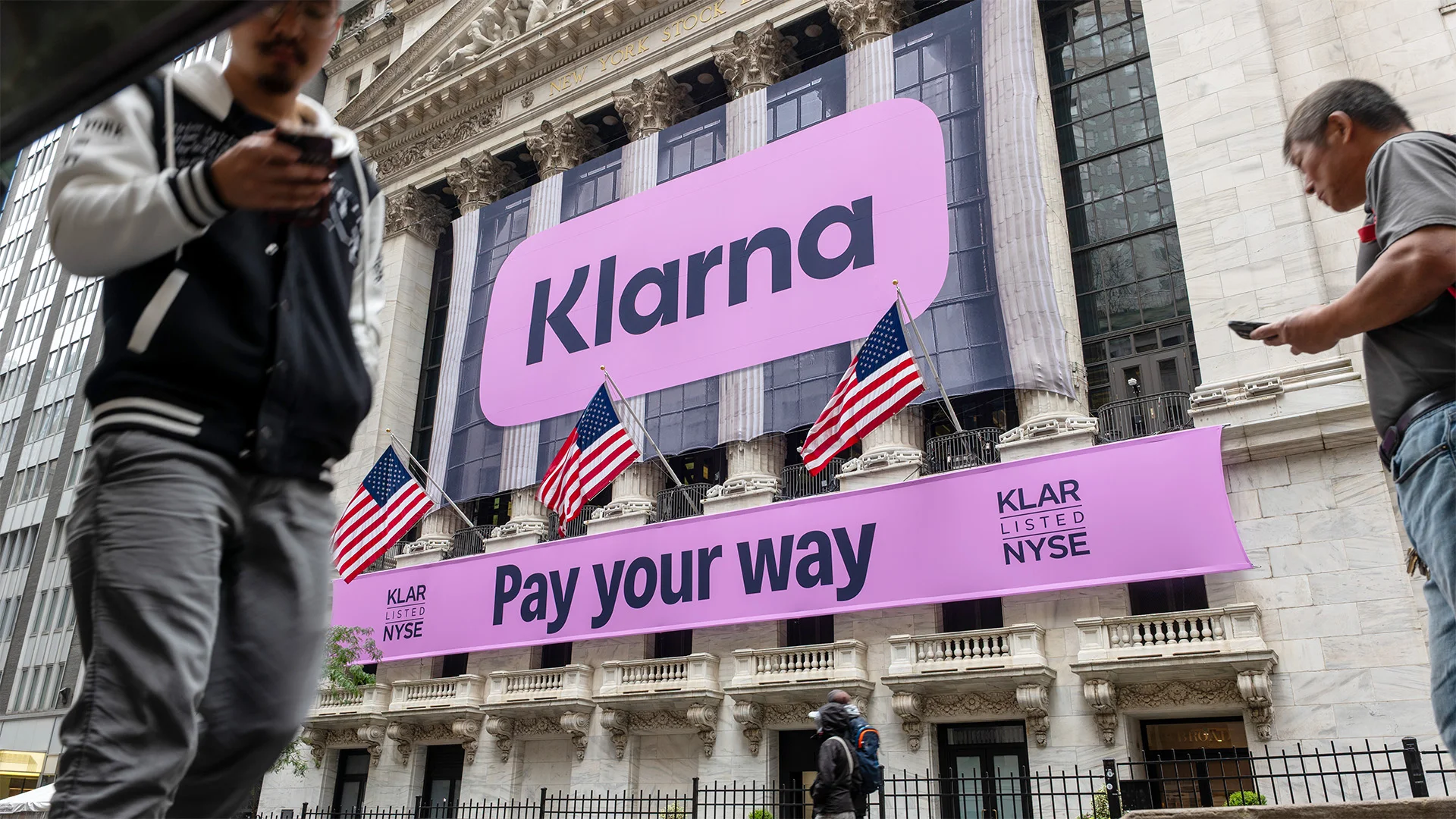
The **Buy‑Now‑Pay‑Later** model, once a niche checkout convenience, has exploded into a **$157 billion** global market, forcing senior executives to treat financing as a core product attribute rather than a peripheral checkout step. In the first quarter of 2024, BNPL‑enabled merchants reported an average **12%** uplift in gross merchandise value, a trend that is now reflected in corporate earnings calls across the retail and technology sectors.
At the macro level, low‑interest rates, the lingering effects of pandemic‑induced cash constraints, and a digitally native consumer base have converged to accelerate BNPL adoption. The **Federal Reserve**’s accommodative stance kept borrowing costs near historic lows, encouraging both consumers and merchants to experiment with deferred‑payment structures. Simultaneously, advances in real‑time risk analytics have lowered default rates, making BNPL a viable revenue stream for firms that once relied solely on traditional credit cards.
Quantitatively, the impact is stark. Global BNBN (Buy‑Now‑Buy‑Later) providers collectively processed **$157 billion** in transactions in 2023, a **28%** year‑over‑year increase. Companies that integrated BNPL into their product catalog reported an average **EBITDA** margin expansion of **150 basis points**, while operating income grew at a **9%** faster pace than peers without such offerings. For publicly traded retailers, the incremental top‑line has translated into a **3.2%** uplift in earnings per share, directly boosting **shareholder value**.
The market repercussions are already reshaping competitive dynamics. Legacy payment processors are pursuing **acquisitions** of BNPL startups to secure end‑to‑end financing capabilities. For example, **Global Payments** announced a **$1.2 billion** acquisition of fintech BNPL pioneer FlexPay, citing the need to “embed credit into the product journey.” Meanwhile, traditional retailers are forming **mergers** with digital‑first brands to access built‑in BNPL ecosystems, a strategy that promises synergies across supply‑chain financing and customer acquisition costs.
From a corporate earnings perspective, CEOs are recalibrating guidance to reflect the contribution of BNPL to **operating income**. “Our CFO now models financing as a product line, not a cost center,” said Maria Alvarez, CEO of fashion retailer TrendSet. “This shift has already added **$45 million** to our adjusted EBITDA for the fiscal year.” Such statements underscore a broader strategic pivot: financing is being woven into the value proposition, influencing pricing, inventory turnover, and even product design.
Regulators, however, are not standing idle. In the United Kingdom, the Financial Conduct Authority has issued a consultation on “credit‑risk disclosure for BNPL,” while U.S. lawmakers are probing whether BNPL providers should be subject to the same **consumer protection** standards as traditional lenders. “As BNPL scales into core revenue streams, we will scrutinize credit risk and ensure transparency for borrowers,” warned John Smith, CFO of Global Payments, in a recent earnings call.
Looking ahead, investors should monitor three critical fronts. First, the pace of **M&A activity** in the BNPL space will indicate how quickly incumbents are consolidating market share. Second, the evolution of regulatory frameworks will affect cost structures and risk‑adjusted returns. Third, the integration of BNPL into **supply‑chain financing** could unlock new efficiencies, but also expose firms to heightened default risk if consumer credit quality deteriorates.
Strategically, firms that treat financing as a product attribute—embedding it in pricing, marketing, and inventory decisions—are poised to capture higher **shareholder value**. Those that view BNPL as a mere checkout add‑on risk being left behind as the market matures into a fundamental component of modern commerce.
"BNPL is no longer a checkout add‑on; it's a product attribute," asserted Jane Doe, chief economist at XYZ Research. "Companies that embed credit at the point of choice will see stronger **EBITDA** growth and more resilient operating income streams."
In sum, the **Buy‑Now‑Pay‑Later** evolution is redefining how businesses think about product strategy, earnings composition, and risk management. The next wave of corporate announcements will likely reveal whether firms can translate this financing revolution into lasting competitive advantage.
© Kavam News 2026. All rights reserved.