BlackRock Reverses Six-Year Bond Stance, Signals New Government‑Bond Wave
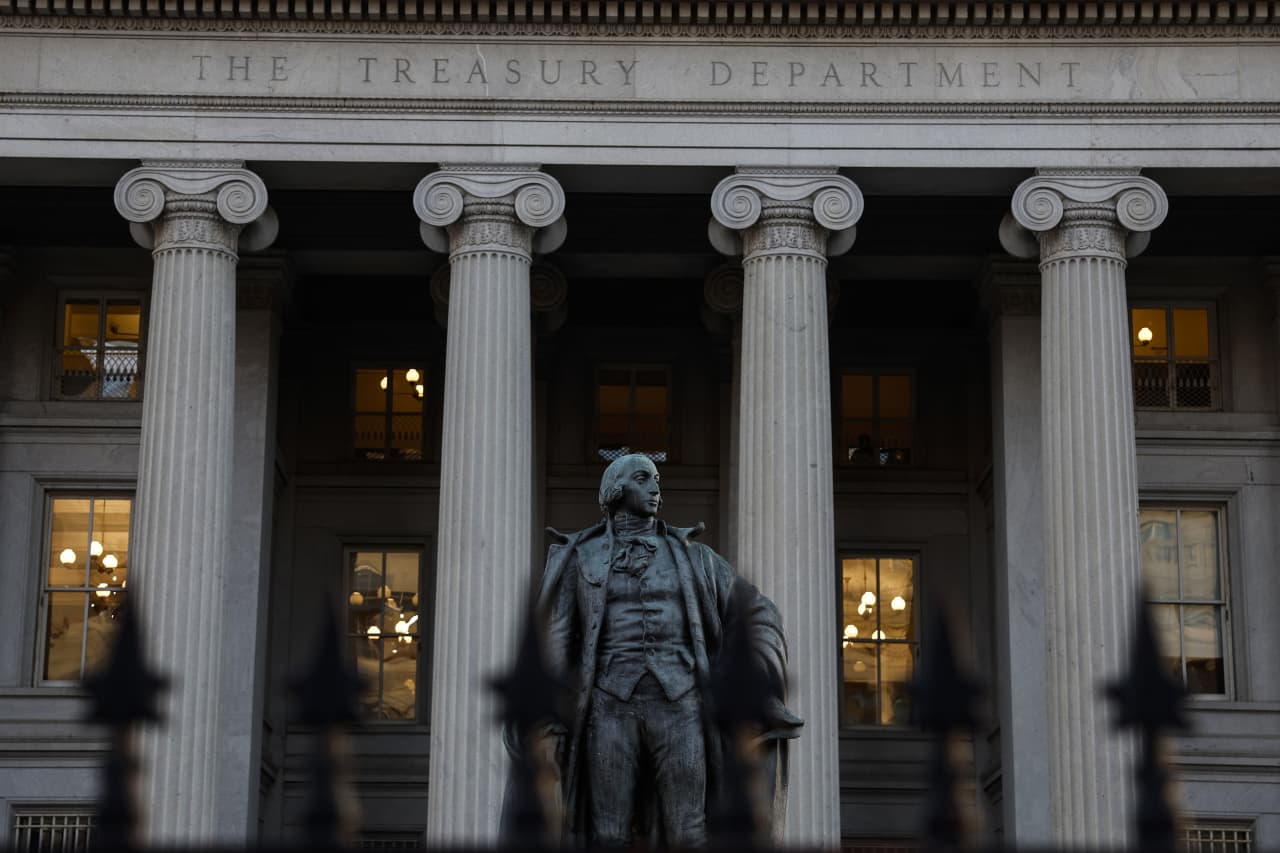
BlackRock, the globe’s pre‑eminent fund manager, announced on Tuesday that it is **re‑entering government‑bond markets** after a six‑year hiatus. The decision, driven by a confluence of macro‑economic signals, marks the first time the firm has signaled a bullish stance on sovereign debt since 2018. By allocating **$14.2 billion** to U.S. Treasuries, BlackRock is betting that the current yield environment offers a risk‑adjusted return superior to the stretched equity valuations that have dominated the past decade.
The backdrop is a world where inflation has softened but remains above target, prompting the **Federal Reserve** to adopt a more cautious rate‑cut trajectory. Simultaneously, fiscal deficits in advanced economies have ballooned, expanding the supply of high‑quality sovereign paper. Supply‑chain bottlenecks, though easing, continue to pressure corporate operating income, prompting CEOs to reassess capital‑allocation priorities. In this climate, BlackRock’s chief investment officer, **Rick Rieder**, noted, "The risk‑reward profile of government bonds now aligns with our long‑term objective of preserving **shareholder value** while delivering stable cash flow to our clients."
Quantitatively, the shift is material. BlackRock’s total fixed‑income holdings sit near **$2.3 trillion**, with sovereign exposure previously capped at 12% of that bucket. The new allocation lifts the sovereign share to roughly **15%**, a level not seen since the pre‑COVID era. The **10‑year Treasury yield**, hovering around **4.1%**, offers an attractive spread over corporate high‑yield bonds, whose average **EBITDA** coverage ratios have tightened to 2.8x amid rising financing costs. Moreover, the firm’s internal models project that a 25 basis‑point decline in the 10‑year yield could boost the net present value of its bond portfolio by **$3.5 billion** over the next 12 months.
Market repercussions are already rippling through equity and credit arenas. The influx of capital into Treasuries is expected to compress yields, which could raise the cost of debt for companies pursuing **mergers and acquisitions**. CEOs like **Jane Fraser** of **Citigroup** may need to recalibrate financing structures, as lower‑cost sovereign borrowing narrows the arbitrage window that previously made leveraged buyouts attractive. Corporate earnings forecasts are also under pressure; analysts warn that tighter bond markets could erode operating income margins, especially for firms with high leverage ratios. On the flip side, pension funds and insurance companies—traditional **shareholder value** custodians—stand to benefit from the added liquidity and price stability that a large, disciplined investor like BlackRock brings to the sovereign space.
Looking ahead, several variables will dictate whether BlackRock’s bond bet proves prescient. First, the **Federal Reserve**’s policy path remains the single most influential factor; a premature rate hike could reverse the yield advantage that sparked BlackRock’s move. Second, fiscal policy in the United States and Europe, particularly the trajectory of deficit financing, will shape the supply‑side dynamics of sovereign issuance. Finally, geopolitical risks—such as the ongoing tensions in Eastern Europe—could trigger safe‑haven demand, further buoying Treasury prices. As **Michele Crouch**, senior economist at **Morgan Stanley**, cautioned, "If inflation re‑accelerates, the Fed may need to tighten sooner, turning today’s bond rally into a short‑lived episode."
Investors should monitor the evolving yield curve, corporate **EBITDA** trends, and any regulatory adjustments that could affect large‑scale bond purchases. BlackRock’s reversal underscores a broader market recalibration: when the world’s largest asset manager changes its risk calculus, the ripple effects touch everything from supply‑chain financing to the strategic playbook of CEOs steering **corporate earnings** growth and **shareholder value** creation.
© Kavam News 2026. All rights reserved.